Long before coffee became Ethiopia’s most famous export, the land was known for something else: aromatic resins and gums that traveled ancient trade routes to Egypt, Rome, and beyond. Today, frankincense, myrrh, and gum arabic remain valuable commodities—used in everything from high-end fragrances to pharmaceuticals and food production.
For international buyers, Ethiopia offers some of the world’s finest quality. Here’s what you need to know about sourcing these remarkable products.
Frankincense (Boswellia)
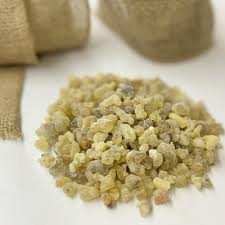
Ethiopian frankincense is prized for its purity, consistent quality, and distinctive aromatic profile. Harvested primarily from Boswellia papyrifera trees in the dry highlands, the resin appears as pale amber tears with a fresh, woody, citrus-like scent.
Grades and Quality
Frankincense is typically graded by appearance and purity:
- Superior / Grade A: Large, clean tears with minimal dust or debris. Pale to golden color. Highest aromatic quality.
- Grade 1 / Medium: Mixed tears with some smaller pieces. Good quality for most commercial applications.
- Grade 2 / Commercial: Smaller tears and fragments. Suitable for distillation or processing.
- Dust / Powder: Fine particles collected during handling. Used for incense blending or lower-grade applications.
Harvest Season
The frankincense harvest runs from November through February, when trees are tapped and resin slowly exudes and hardens. Fresh-crop resin is available for export starting in February and March.
Common Applications
- Incense and spiritual products
- Perfumery and aromatherapy
- Traditional medicine and supplements
- Cosmetic ingredients
- Pharmaceutical research
Myrrh (Commiphora)
Myrrh offers a warmer, earthier profile than frankincense—rich, balsamic, and slightly sweet. Ethiopian myrrh is harvested from Commiphora species in lowland regions, with the main harvest occurring January through April.
Grades Available
- Hand-picked tears: Premium selection, clean and uniform
- Commercial grades: Mixed tears suitable for most applications
- Powder: Ground material for incense and blending
Key Differences from Frankincense
| Characteristic | Frankincense | Myrrh |
|---|---|---|
| Color | Pale yellow to amber | Reddish-brown to dark |
| Aroma | Fresh, citrus, pine | Warm, earthy, balsamic |
| Harvest | Nov–Feb | Jan–April |
| Primary use | Incense, aromatherapy | Incense, traditional medicine |
Gum Arabic (Acacia)
Gum arabic is the dried exudate of Acacia trees—primarily Acacia senegal and Acacia seyal. It’s valued for its unique emulsifying, stabilizing, and thickening properties, making it essential in multiple industries.
Types and Grades
Acacia senegal (Hashab)
- Highest quality, lightest color
- Best solubility and emulsifying properties
- Preferred for food and pharmaceutical applications
- Grades: Hand-picked, cleaned, sifted
Acacia seyal (Talha)
- Darker color, more viscous solutions
- Good for industrial applications
- More economical
- Grades: Various commercial grades
Forms Available
- Whole / Kibbled: Natural pieces, minimal processing
- Powder: Milled to various mesh sizes (100–200 mesh typical)
- Spray-dried: Instant soluble, premium applications
Major Applications
| Industry | Application |
|---|---|
| Food & Beverage | Emulsifier in soft drinks, confectionery, flavor encapsulation |
| Pharmaceuticals | Suspending agent, tablet binding |
| Cosmetics | Stabilizer in lotions, creams |
| Arts | Watercolor binder, printmaking |
| Industrial | Adhesives, textiles |
Quality Considerations for Buyers
When sourcing natural gums, pay attention to:
Purity: Foreign matter (bark, stones, dust) should be minimal. Hand-sorted grades offer highest purity.
Moisture content: Should typically be below 12% to prevent mold and degradation during shipping.
Color consistency: For frankincense and gum arabic, color indicates quality and affects end-use suitability.
Solubility: For gum arabic, solubility testing ensures suitability for your specific application.
Aroma profile: For frankincense and myrrh, the aromatic character should be clean—no signs of fermentation or improper storage.
Our Sourcing Practices
At Jireh Export, we work directly with harvesting communities who have gathered these resins for generations. This means:
- Traceability to specific regions and communities
- Fair compensation for harvesters
- Sustainable practices that protect tree health
- Traditional knowledge preserved and respected
- Consistent quality through careful sorting
Packaging and Shipping
We offer flexible packaging options:
- 25kg or 50kg polypropylene bags
- Carton boxes for premium grades
- Custom packaging available by arrangement
All shipments include:
- Certificate of Origin
- Phytosanitary Certificate
- Packing list
- Commercial invoice
- Quality documentation upon request
Ready to Source?
Whether you need a container of gum arabic for industrial production or premium frankincense tears for a luxury fragrance line, we’re here to help.
📧 info@jirehexport.com
📞 +251-XXX-XXXXXX