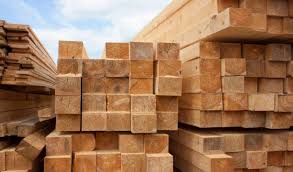
Ethiopia’s forests and plantations produce high-quality timber prized for furniture, construction, flooring, and specialty applications. From the warm honey tones of Wanza to the durability of Girar, Ethiopian hardwoods offer unique characteristics for discerning buyers worldwide.
But sourcing timber requires more than just selecting species. Understanding quality grades, sustainable practices, and export regulations ensures you receive the right product while supporting responsible forestry.
Popular Ethiopian Timber Species
Wanza (Cordia africana)
One of Ethiopia’s most valuable hardwoods, Wanza features a beautiful golden-brown color with subtle grain patterns. It’s lightweight yet strong, easy to work, and takes finishes beautifully.
Common uses: Fine furniture, cabinetry, interior joinery, musical instruments, veneers
Girar (Acacia species)
Exceptionally hard and durable, Girar ranges from medium to dark brown with striking grain. Its density and weather resistance make it ideal for demanding applications.
Common uses: Heavy construction, flooring, outdoor furniture, tool handles, boat building
Keraro
A versatile hardwood with consistent color and workability. Keraro is widely used in construction and general woodworking.
Common uses: Building construction, door and window frames, general carpentry
Eucalyptus (Plantation-grown)
Ethiopia has extensive eucalyptus plantations producing reliable, consistent timber. While not a native species, plantation eucalyptus offers sustainable volume for various applications.
Common uses: Construction, poles, pulp, fuelwood, basic furniture
Quality Grades Explained
Timber is typically graded based on appearance and allowable defects:
FAS (First and Seconds)
The highest grade, suitable for fine furniture and clear finishes. Minimal knots, defects, or blemishes. Best face grade.
#1 Common
Good quality for most applications. Some small knots and character marks allowed. Suitable for cabinets, millwork, and general construction.
#2 Common
Economical grade with more defects. Suitable for flooring (shorts), industrial applications, and projects where appearance is less critical.
Construction Grade
For structural applications where strength matters more than appearance. May include larger knots and natural characteristics.
Sustainable Sourcing: Why It Matters
International buyers increasingly demand proof that timber comes from legal, sustainable sources. Ethiopia has made significant progress in forest management, and responsible exporters play a key role in promoting good practices.
What sustainable sourcing means:
- Timber harvested from legal, managed forests or plantations
- Compliance with Ethiopian forestry laws
- Protection of endangered species and ecosystems
- Fair treatment of forestry workers and communities
- Transparent chain of custody
Questions to ask your supplier:
- Can you verify the origin of this timber?
- Is it harvested legally with proper permits?
- Do you work with plantation sources where available?
- Can you provide documentation for chain of custody?
Processing Options
Ethiopian timber is available in various forms depending on your needs:
Logs
- Untreated, various diameters
- Ideal for buyers with their own milling capacity
- Volume-efficient shipping
Sawn Timber
- Dressed or rough-sawn
- Standard thicknesses: 25mm, 50mm, 75mm
- Custom dimensions available
Squares and Cants
- For further processing
- Standard sizes or custom cuts
Billets
- For veneer production
- Specific dimension requirements
Drying and Treatment
Proper moisture content is essential for timber destined for international markets:
Air-dried
- Natural drying over several months
- Moisture content typically 18–22%
- Suitable for many applications, may require further drying
Kiln-dried
- Controlled drying to specific moisture content
- Typically 8–12% for furniture and interior use
- Prevents warping, cracking, and movement
Treatment options
- Fumigation for export compliance
- Pest treatment as required by destination country
- Preservation treatment available upon request
Export Documentation
Every timber shipment requires proper documentation:
- Phytosanitary Certificate: Confirms timber is free from pests and diseases
- Fumigation Certificate: If treatment was applied
- Certificate of Origin: Verifies Ethiopian origin
- Export Permit: Government authorization for export
- Packing List: Detailed inventory of the shipment
- Commercial Invoice: Value and terms of sale
Our Commitment to Responsible Timber Trade
At Jireh Export and Import, we:
- Source only from legal, verified operations
- Work with plantation owners practicing sustainable forestry
- Provide documentation to verify origin and compliance
- Support communities that depend on forest resources
- Promote responsible harvesting that preserves forests for future generations
Ready to Source Ethiopian Timber?
Tell us your requirements—species, grade, dimensions, and volume—and we’ll help you find the right product from reliable sources.
📧 info@jirehexport.com
📞 +251-XXX-XXXXXX