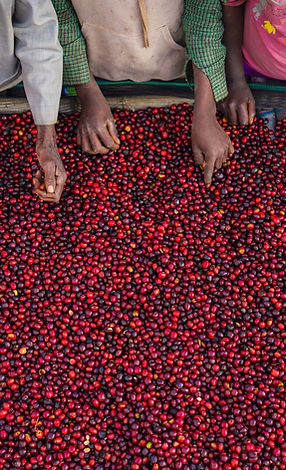
Ethiopia is widely recognized as the birthplace of coffee—a land where the arabica bean grows wild in highland forests and where centuries of tradition meet modern export standards. For international buyers, understanding Ethiopian coffee means accessing some of the world’s most distinctive and sought-after beans.
But navigating the Ethiopian coffee market requires knowledge. From regional flavor profiles to harvest seasons and grading systems, here’s what you need to know before placing your first order.
The Origins: Where Flavor Begins
Ethiopian coffee is defined by its growing regions, each producing beans with unique characteristics:
Sidama (formerly Sidamo)
Known for its balanced acidity and complex flavor notes ranging from citrus to berry. Sidama coffees are consistently high-quality and widely available.
Yirgacheffe
Perhaps Ethiopia’s most famous coffee region, Yirgacheffe produces beans with floral aromatics, jasmine notes, and a clean, tea-like body. These are prized by specialty roasters worldwide.
Limu
Offering a milder cup with wine-like acidity and chocolate undertones. Limu coffees are often described as smooth and well-rounded.
Guji
A newer standout region producing coffees with intense fruitiness, bold body, and exceptional complexity. Guji has quickly gained favor among third-wave roasters.
Harrar
Known for its wild, fruity characteristics—often described as blueberry or wine-like. Harrar is typically dry-processed, giving it a heavy body and distinctive profile.
Harvest Seasons: Timing Your Purchase
Ethiopia’s coffee harvest follows a predictable cycle:
- Main harvest: October – December
- Processing and preparation: December – March
- Peak export availability: January – June
- Off-season availability: Limited, prices typically higher
For buyers seeking fresh-crop coffee, the best time to place orders is between January and March, when new harvest lots become available and selections are widest.
Grading System: What the Numbers Mean
Ethiopian coffee is graded based on physical appearance and cup quality:
Specialty Grades (1 & 2)
- Grade 1: No primary defects, exceptional cup quality
- Grade 2: Up to 6 defects per 300g sample, excellent quality
- Used for specialty roasters, single-origin offerings
Commercial Grades (3–5)
- Grade 3: Up to 13 defects, good quality for blends
- Grades 4–5: Higher defect tolerance, used in commercial blends and mass market
Understanding these grades helps you communicate exactly what you need—whether you’re sourcing microlots for a specialty roastery or volume for commercial production.
Processing Methods: Washed vs. Natural
Ethiopia produces both washed and natural processed coffees, each with distinct characteristics:
Washed (wet-processed)
- Cleaner, brighter cup
- More consistent flavor
- Preferred for specialty markets
- Common in Yirgacheffe and Sidama
Natural (dry-processed)
- Heavier body, fruitier notes
- More complex, sometimes wild flavors
- Traditional method in Harrar and some Guji lots
- Requires careful processing to avoid defects
Many buyers choose to offer both styles, giving their customers a complete Ethiopian coffee experience.
Quality Considerations for Buyers
When sourcing Ethiopian coffee, pay attention to:
Moisture content: Ideal range is 11–12% for export. Outside this range, beans may deteriorate during shipping.
Screen size: Ethiopian beans are typically smaller than other origins. Standard screens range from 14 to 18, with larger beans commanding premium prices.
Defect count: Ensure your supplier provides grade-appropriate sorting and inspection reports.
Freshness: Request recent-crop coffee and verify harvest dates. Old crop coffee loses aromatics and cup quality.
Why Source Through Jireh Export
At Jireh Export and Import, we offer:
- Direct relationships with washing stations and cooperatives
- Consistent grading aligned with international standards
- Pre-shipment samples for quality verification
- Full documentation, including quality analysis reports
- Flexible packaging: 60kg jute bags, Grain-Pro, vacuum-packed samples
Whether you need a 60kg sample or a 40-foot container, we ensure every bean meets your specifications.
Ready to Source?
Contact us to discuss your coffee needs. Tell us your preferred regions, grades, and volume, and we’ll help you find the perfect Ethiopian coffee for your market.
📧 info@jirehexport.com
📞 +251-XXX-XXXXXX