

Overview
Long before coffee became Ethiopia’s most famous export, the land was known for something else: aromatic resins and natural gums that traveled ancient trade routes to Egypt, Rome, India, and beyond. Today, these remarkable products remain valuable commodities—used in everything from high-end fragrances and spiritual practices to pharmaceuticals, food production, and industrial applications.
At Jireh Export and Import, we offer premium Ethiopian frankincense, myrrh, and gum arabic, sourced directly from traditional harvesting communities who have gathered these resins for generations. Our products represent the perfect union of ancient knowledge and modern quality standards—authentic, traceable, and consistently graded for international markets.
Frankincense (Boswellia)
Origin and Characteristics
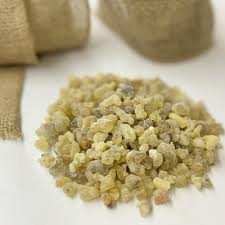
Ethiopian frankincense is harvested primarily from Boswellia papyrifera trees growing in the dry highlands and lowland regions. The resin appears as pale amber to golden tears with a fresh, woody, citrus-like aroma that has been treasured for millennia.
What makes Ethiopian frankincense special:
- High essential oil content
- Clean, consistent aroma profile
- Minimal impurities when properly harvested
- Sustainable traditional tapping methods
- Recognized quality in global markets
Frankincense Grades and Classification
We offer frankincense in several grades to suit different applications and budgets:
Superior / Grade A
- Large, clean tears with minimal dust or debris
- Pale golden to amber color
- Highest aromatic quality
- Ideal for premium incense, spiritual use, and high-end fragrance
Grade 1 / Medium
- Mixed tears with some smaller pieces
- Good color and aroma
- Suitable for most commercial applications
- Excellent value for regular production
Grade 2 / Commercial
- Smaller tears and fragments
- Good aroma, acceptable for processing
- Ideal for distillation or lower-grade incense
- Economical option for volume buyers
Dust / Powder
- Fine particles collected during handling
- Consistent if properly sifted
- Used for incense blending, cheaper products
- Available at competitive prices
Frankincense Harvest and Seasonality
| Activity | Timing |
|---|---|
| Tapping begins | October-November |
| Peak harvest | December-February |
| Fresh crop available | February-April |
| Limited availability | May-September |
Sustainable harvesting practices ensure trees are tapped responsibly, with rest periods that maintain tree health for future seasons.
Myrrh (Commiphora)
Origin and Characteristics
Myrrh offers a warmer, earthier, more balsamic profile than frankincense—rich, complex, and slightly sweet. Ethiopian myrrh is harvested from Commiphora species in lowland regions, where traditional harvesters make careful incisions to collect the aromatic resin.
Aroma profile: Warm, earthy, balsamic, slightly sweet
Appearance: Reddish-brown tears, variable sizes
Harvest season: January-April
Myrrh Grades
Hand-Picked Tears
- Premium selection of clean, uniform tears
- Deep reddish-brown color
- Strong, clean aroma
- For high-end incense, perfumery, and traditional uses
Commercial Grade
- Mixed tears suitable for most applications
- Good aroma and appearance
- Reliable quality for regular production
Powder / Ground
- Processed material for incense blending
- Consistent particle size
- Economical option for volume use
Comparison: Frankincense vs. Myrrh
| Characteristic | Frankincense | Myrrh |
|---|---|---|
| Source tree | Boswellia species | Commiphora species |
| Color | Pale yellow to golden amber | Reddish-brown to dark |
| Aroma | Fresh, citrus, pine, woody | Warm, earthy, balsamic |
| Harvest season | November-February | January-April |
| Primary uses | Incense, aromatherapy, fragrance | Incense, traditional medicine, fragrance |
| Price point | Variable by grade | Typically higher than frankincense |
Gum Arabic (Acacia)
Origin and Characteristics
Gum arabic is the dried exudate of Acacia trees—primarily Acacia senegal and Acacia seyal. It is valued worldwide for its unique emulsifying, stabilizing, and thickening properties, making it essential in multiple industries.
Ethiopian gum arabic is recognized for its quality, with traditional harvesting practices that have been refined over generations.
Types of Gum Arabic
Acacia senegal (Hashab)
The highest quality gum arabic, prized for:
- Lightest color (pale amber to light brown)
- Best solubility in water
- Highest emulsifying properties
- Preferred for food and pharmaceutical applications
Grades available:
- Hand-picked select (HPS): Cleanest, most uniform
- Cleaned and sifted: Good commercial quality
- Standard: Reliable for most applications
Acacia seyal (Talha)
A more economical option with:
- Darker color (reddish-brown)
- More viscous solutions
- Good for industrial applications
- Widely used in food and technical industries
Grades available:
- Various commercial grades
- Sifted and cleaned options
- Whole, kibbled, or powdered
Forms and Particle Sizes
| Form | Description | Typical Applications |
|---|---|---|
| Whole / Kibbled | Natural pieces, minimal processing | Further processing, traditional uses |
| Powder (various mesh) | Milled to specific sizes: 100-200 mesh typical | Food, pharmaceutical, industrial |
| Spray-dried | Instant soluble, premium quality | High-end food and beverage |
Quality Specifications
| Parameter | Acacia senegal (Hashab) | Acacia seyal (Talha) |
|---|---|---|
| Moisture content | Max 13% | Max 13% |
| Ash content | Max 4% | Max 4% |
| Acid-insoluble matter | Max 1% | Max 1% |
| pH (10% solution) | 4.0-4.8 | 4.0-5.0 |
| Viscosity | 80-200 cps (10% solution) | 30-100 cps (10% solution) |
| Color (in solution) | Light amber | Reddish-brown |
Applications by Industry
Food and Beverage Industry
- Emulsifier in soft drinks and flavor emulsions
- Stabilizer in confectionery and dairy products
- Encapsulation of flavors and colors
- Dietary fiber in health products
- Thickener in sauces and dressings
Pharmaceutical Industry
- Suspending agent in liquid medicines
- Binder in tablet formulations
- Emulsifier in topical preparations
- Cough syrups and lozenges
Cosmetics and Personal Care
- Stabilizer in lotions and creams
- Binder in powders and masks
- Film-forming agent in hair products
- Natural ingredient in “clean beauty” formulations
Industrial Applications
- Adhesives and glues
- Textile printing and dyeing
- Lithography and printmaking
- Watercolor and ink production
Our Sourcing Practices
At Jireh Export, we work directly with harvesting communities, ensuring:
Traceability
We know where our products come from—specific regions, communities, and harvesters. Buyers can request origin information for full supply chain transparency.
Fair Compensation
Direct relationships mean harvesters receive fair prices for their work, supporting rural livelihoods and traditional knowledge.
Sustainable Harvesting
We work with communities practicing traditional, sustainable tapping methods that preserve tree health and ensure future harvests.
Traditional Knowledge Preservation
By valuing and fairly compensating traditional harvesters, we help preserve knowledge passed down through generations.
Packaging Options
| Product | Standard Packaging | Options |
|---|---|---|
| Frankincense | 25kg polypropylene bags | 50kg bags, carton boxes |
| Myrrh | 25kg polypropylene bags | 50kg bags, carton boxes |
| Gum arabic whole | 50kg polypropylene bags | 25kg bags, jumbo bags |
| Gum arabic powder | 25kg multi-wall paper bags | 50kg bags, big bags |
Custom packaging available by arrangement.
Documentation
Every shipment includes:
- Certificate of Origin
- Phytosanitary Certificate
- Packing List
- Commercial Invoice
- Quality analysis report (upon request)
- Fumigation Certificate (if applicable)
Contact Us for Natural Gums Inquiries
Tell us your requirements—product type, grade, quantity, and target applications—and we’ll help you find the right Ethiopian natural gums for your market.
📧 info@jirehexport.com
📞 +251 90 789 9989 +44 7466 922560